Services
Eyecare Services in Huntington Beach
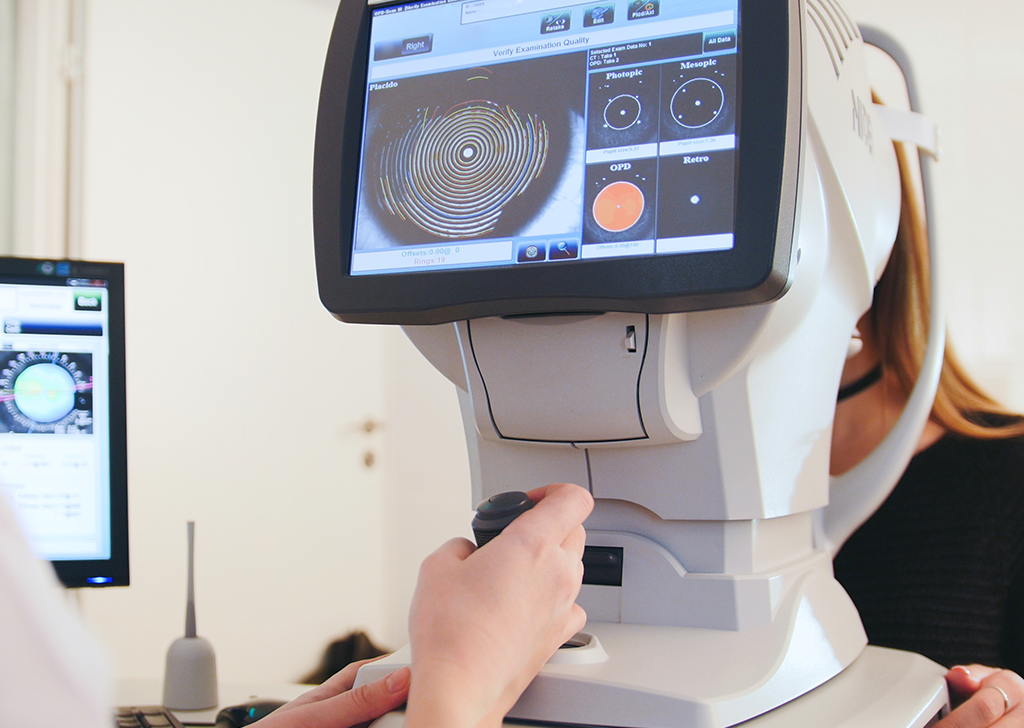
Comprehensive Eye Exams
Routine eye exams are a vital aspect of preventive eye care. Without routine eye exams, vision issues often go undetected since most eye disorders don't have clear symptoms.
Learn More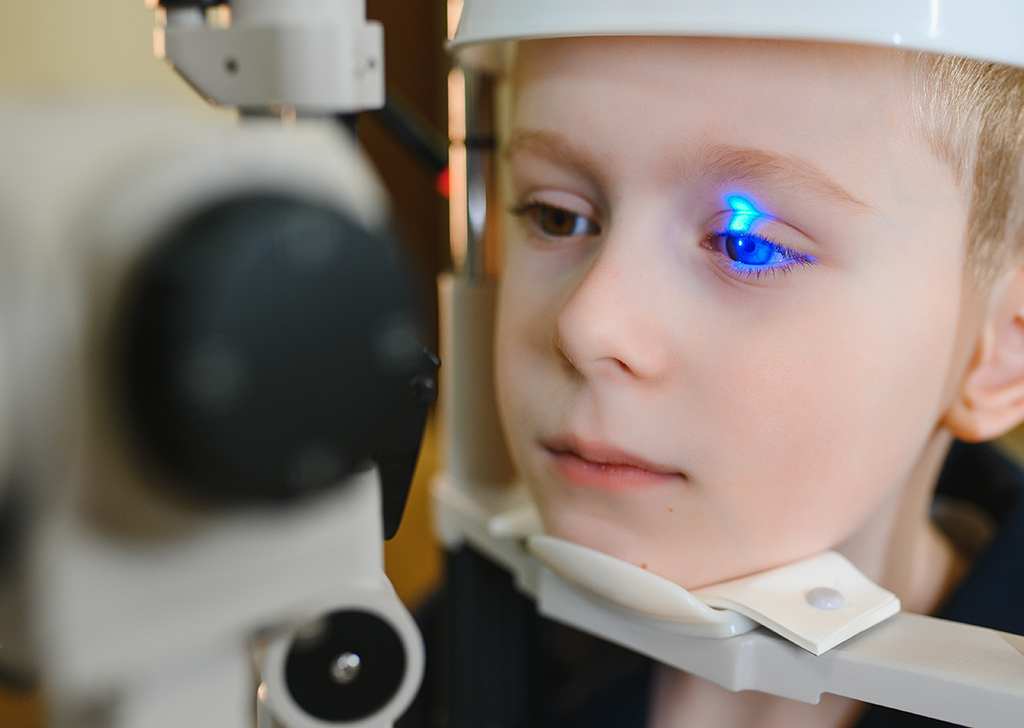
Pediatric Eye Exams
A thorough investigation of your child's overall health of the eye and the visual system is important since some childhood vision problems can lead to permanent vision loss if left untreated.
Learn More
Presbyopia Diagnosis and Treatment
Presbyopia is a natural and inevitable part of aging that affects the eyes' ability to focus on close objects. Unlike other vision conditions, presbyopia isn’t caused by the shape of the eye or structural abnormalities but is instead a result of the eye’s lens losing its flexibility over time.
Learn More
Dry Eye Disease and Treatment
Dry Eye can have a major impact on your quality of life. You may find your eyes get tired faster or you have difficulty reading.
Learn More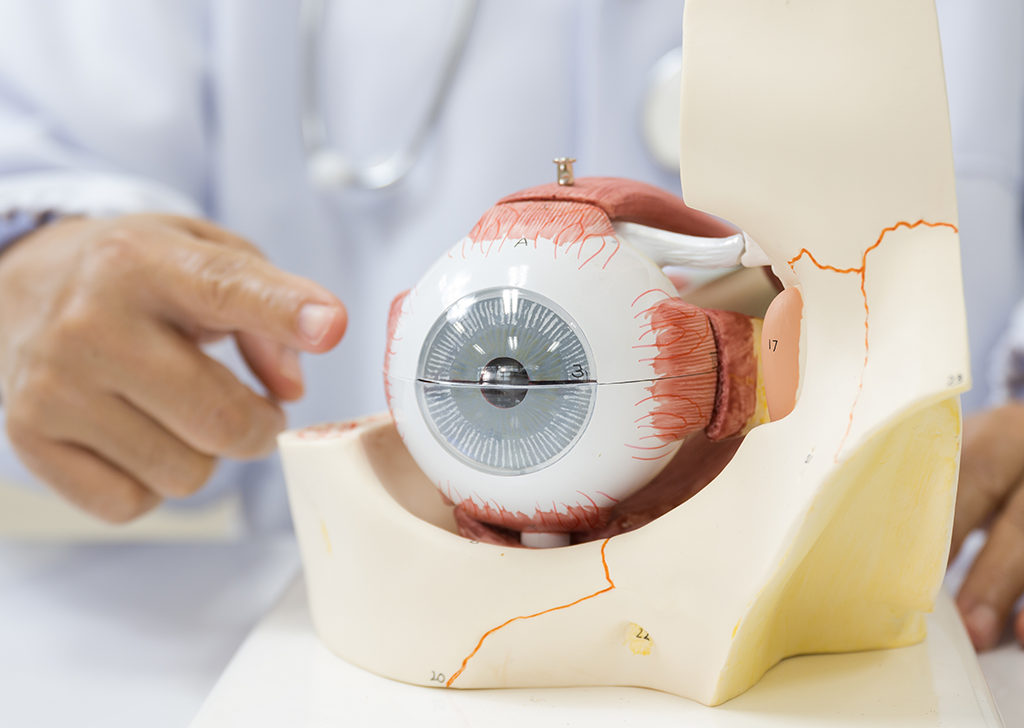
Management of Ocular Diseases
Both optometrists and ophthalmologists treat many common types of ocular disease. However, for the best outcome, it’s important to see an eye doctor regularly. They can identify any issues before they become serious problems.
Learn More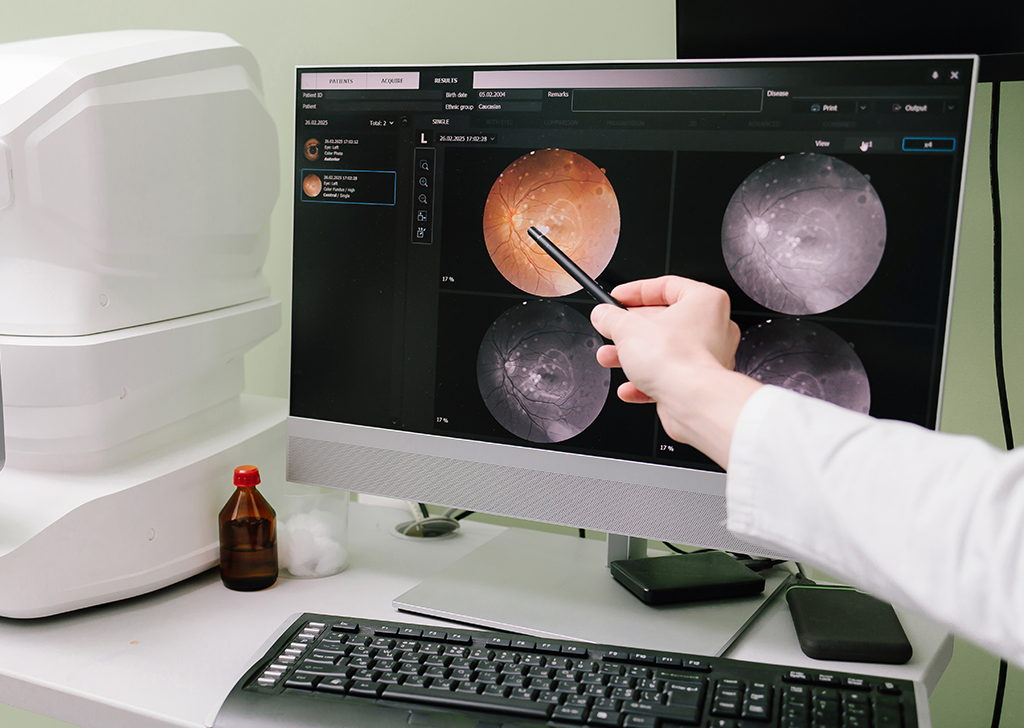
Advanced Technology
When it comes to maintaining your eye health, regular check-ups and screenings play a crucial role. One such screening method that has revolutionized the field of optometry is retinal imaging testing. This non-invasive procedure allows optometrists to capture detailed images of the retina, providing valuable insights into the overall health of your eyes.
Learn More
Eye Emergencies (Pink/Red Eyes)
Eye emergencies cover a range of incidents and conditions such as; trauma, cuts, scratches, foreign objects in the eye, burns, chemical exposure, photic retinopathy, and blunt injuries to the eye or eyelid.
Learn More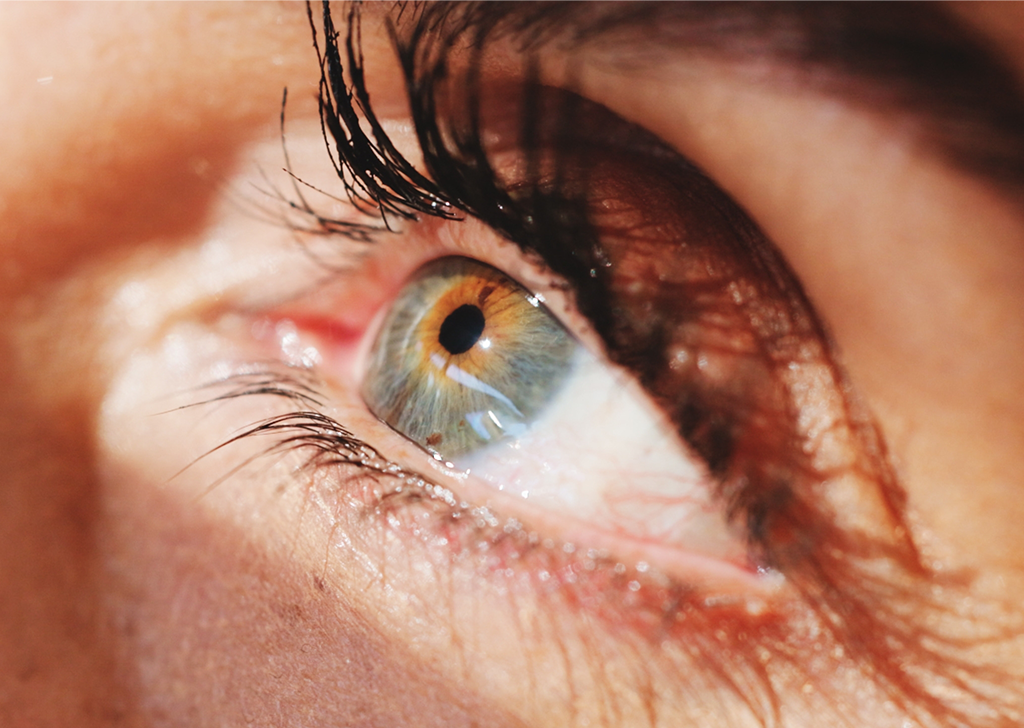
LASIK & Refractive Surgery Co-Management
In the realm of eye care, surgical co-management has emerged as a collaborative approach that aims to provide patients with comprehensive and seamless treatment.
Learn More
Orthokeratology (CRT & VST)
Many patients come to us every day struggling to get through their daily lives with their current choice of vision correction. Some have eyeglasses that do not sit properly on their face or feel that their peripheral vision is hindered by the frames. While contact users may find the lenses uncomfortable or have them fall out at inconvenient times.
Learn More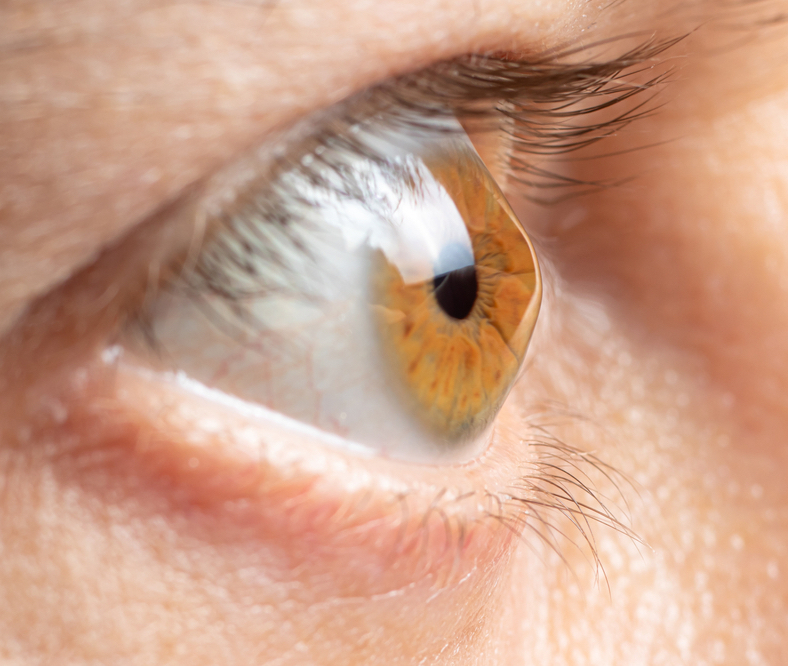
Astigmatism Diagnosis & Treatment
Astigmatism is a common refractive error that occurs when the cornea or lens of the eye is not perfectly spherical. Instead of having a uniform, rounded shape, the cornea or lens has a slightly more curved or irregular shape, resembling more of an oval or football-like appearance.
Learn More
There's More To Child Learning Than Just 20/20 Vision
Vision therapy is a specialized form of treatment that aims to improve visual function and performance. It involves a series of eye exercises, activities, and visual training techniques designed to address a wide range of vision-related issues.
Learn More
Sports and Specialty Eyewear Fitting
Sports vision is a growing niche in the eyecare industry, helping athletes improve their performance skills through the enhancement of visual skills.
Learn More
Your Eye Health
The eye is a very delicate and fragile part of the body. According to one study on distance vision, about 188.5 million individuals are said to suffer from mild vision impairment, 217 million individuals suffer from moderate and severe impairment while 36 million individuals are blind.
Learn More
Myopia Management
Our job is to protect your child’s vision from getting worse as they grow, using the most appropriate treatment. (MiSight, Stellest, atropine, Paragon, and more)
Learn More
Technology: Virtual Reality Visual field Testing
Visual field testing is an important part of most standard comprehensive eye exams. Also sometimes known as perimetry testing, Visual field testing is a method to measure the entire scope of vision of an individual, including their peripheral/side vision.
Learn More
Technology: Optical Coherence Tomography (OCT)
Optical Coherence Tomography is a non-invasive imaging test that may be performed as a standard part of your regular, comprehensive exams, or you may be able to request this test as an addition to your usual exam.
Learn More
Technology: Optomap
Optomap is an innovative new technology that gives eye doctors the ability to perform ultra-wide retinal imaging that is far superior to what can currently be achieved using conventional retinal imaging options.
Learn More© 2026 Huntington Family Optometry. All rights Reserved - Accessibility Statement - Privacy Policy - Sitemap
Managed and Designed by 